
One in Five Beauty Businesses Works Outside the Rules. That Is Your Opening
Roughly one in five hair and beauty businesses in Italy operates outside the rules, with fines about to rise to fifty thousand euro — and the operators who make their qualification visible are handed the clearest reason a client has to choose them.
A new nail studio opens nearby at half your prices, run by someone with a weekend course and no licence, working partly off the books. You cannot match that price without breaking the same rules, and you start to wonder whether doing things properly is a competitive disadvantage. Then a client arrives with a burn and an infection from exactly that kind of place, no insurance to claim against and no qualified hand to put it right. The cheaper option only looked like your service from the outside, and your real task is to make a client see that difference before she is hurt, not after.
The scale of the problem is also the size of your opening. By the CNA's research, roughly one in five hair and beauty businesses in Italy works outside the rules, more than one in four in some areas, and recent national inspections by the NAS found unqualified people performing treatments in premises without the basic hygiene requirements, using irregular products and devices. The harm is real: burns, infections, lasting damage, and a client with no qualified operator and no insurance to fall back on when it goes wrong. A reform now moving through the Senate would raise fines for irregular operators to fifty thousand euro, add a compulsory qualifying exam, and let authorities close unlicensed premises for up to two years. In a trade of nearly one hundred and fifty thousand businesses, the line between the qualified and the improviser is hardening into the main thing a careful client wants to know. Being on the right side of it, visibly, is the differentiation most operators hold and never use.
You cannot compete on price with someone who skips tax, training, insurance and safety, because that is a race you can only win by becoming them. What the irregular operator sells looks cheaper because crucial parts have been quietly removed — the qualification, the sterilisation, the proper products, the cover if something goes wrong — and the client paying the low price is unknowingly taking on all of that risk herself. Your advantage is to make those removed parts visible, so the comparison stops being your price against theirs and becomes safety and recourse against a cheap gamble.
Most clients choosing on price have simply never been shown the difference: that the wrong device in untrained hands burns or scars, that a non-sterile tool spreads infection, that an unlicensed operator leaves her with no one accountable and nothing to claim. The moment she understands what is at stake, your training and your licence stop being fine print and become the reason she is safe in your chair. The operators who win here make the invisible visible in a way that informs rather than frightens.
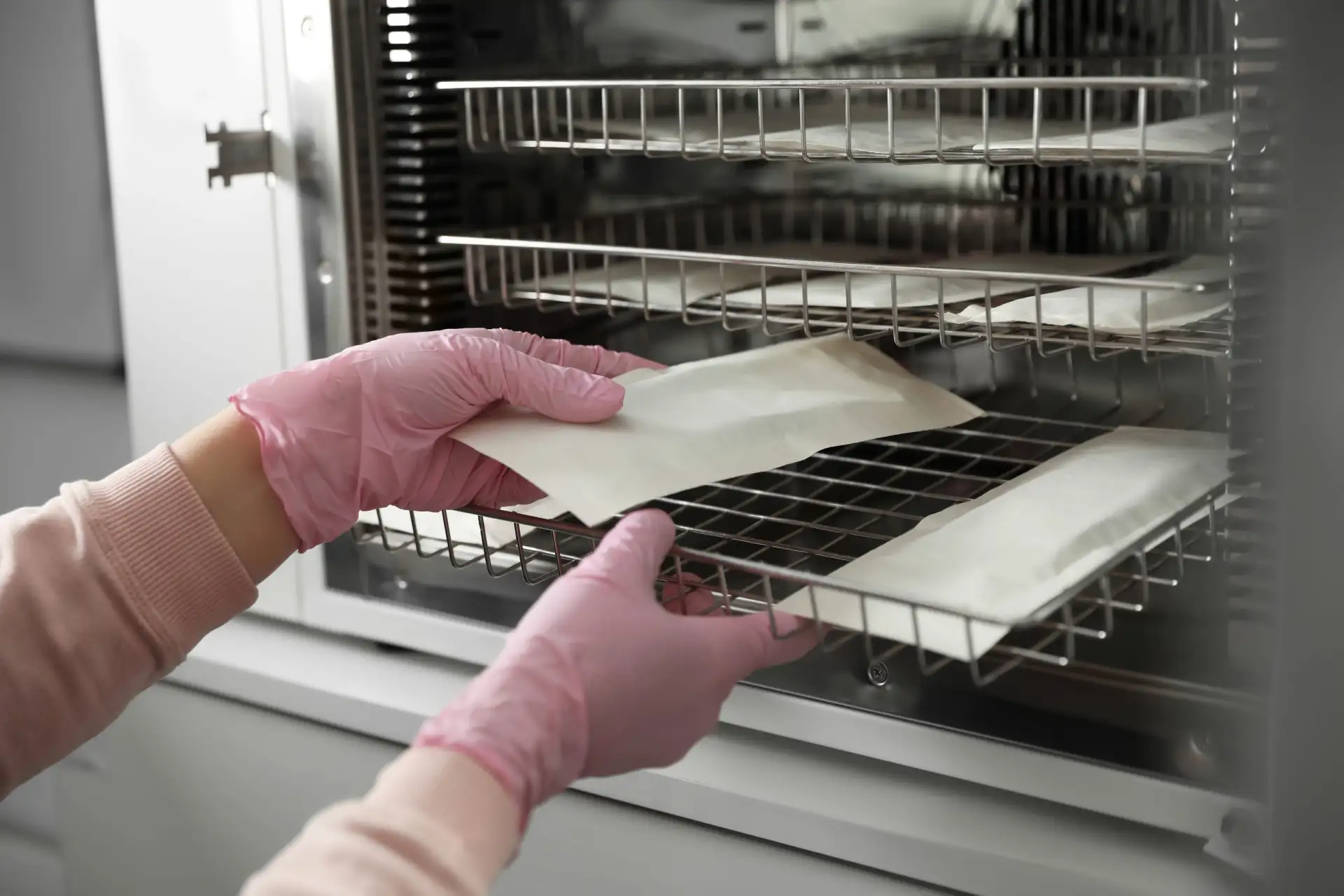
No client wants a lecture on regional regulations; every client wants to know she is in safe hands, that the room is clean, that the person treating her understands the anatomy under the skin and what to do if something reacts. The skill is translating each rule you follow into what it means for her — the sterilised tools she can watch you open, the qualified hands, the products with real traceability. Compliance described as protection is one of the warmest things you can say to a nervous client; described as bureaucracy, it is one of the most boring.
For the irregular operator, the reform moving through the Senate is a threat; for you, it is the market being forced to sort itself in your favour. A compulsory qualifying exam, fines up to fifty thousand euro, and the power to shut unlicensed premises for up to two years mean the gap between you and the improviser is about to become official and expensive. Most operators surveyed already want stricter standards, because the qualified have everything to gain from a clean market. The studios that begin now to make their qualification and compliance part of how clients choose them will look long established the day the rules tighten, while the cut-price shops scramble or close.
Stay clearly within your scope, and make that a point of pride rather than a limitation. The grey area between beauty treatments and medical procedures is exactly where clients get hurt, where the law bites hardest, and where an operator is left with no defence when something goes wrong, so drifting into it to keep up with a bolder rival is the most dangerous way to compete. The professional who knows exactly where her competence ends, performs beautifully within it, and refers a client upward when a concern is medical reads as more trustworthy, not less — an honesty the improviser cannot fake.
Put together, your legality and your qualification are an asset most operators treat as a cost, and in a market this crowded with irregulars they may be the strongest reason a careful client picks you. Made visible, compliance lets you hold your prices against cheaper rivals, attracts the clients who care about safety and stay loyal because of it, protects you as the rules tighten, and builds the kind of reputation an improviser cannot copy or undercut. It is the one advantage your unqualified competition can never claim, however low they go. The professional who is provably the safe choice stops fearing the cheap one next door. The same logic protects a salon when a cheaper rival opens two doors down: the clients you lose were never really yours.
That is the work WOM does. We make a beauty or aesthetic business's qualification, hygiene and compliance legible to the client, translated from rules and certificates into the reassurance a nervous client is actually looking for, across the way you are found, described and chosen. We do this for licensed beauty and aesthetic professionals specifically, salons, beauty and nail studios, because how their clients weigh trust, safety and price is its own world, and the dividing line in their market is qualification.
If you do everything properly and watch cheaper, irregular rivals undercut you, begin with a positioning diagnosis from WOM: where your professionalism is invisible to clients right now, how to make it the reason they choose you, and how to be ready for the reform before it lands rather than after.
Fill in the form on this page to book your positioning diagnosis with WOM — and make the right side of the law the clearest reason a client chooses you.
Frequently asked questions
Doing everything by the rules costs me more than the irregular shop nearby. How do I compete?
You stop trying to compete on price with someone who skips tax, training, insurance and safety, because that is a race you can only win by becoming them. What the irregular operator sells looks cheaper only because crucial parts have been removed — the qualification, the sterilisation, the proper products, the cover if something goes wrong — and the client is unknowingly taking on that risk herself. Make those removed parts visible, and the comparison stops being your price against theirs and becomes safety against a cheap gamble.
My clients can't see my qualifications. Why would they pay more for them?
Because the moment they understand what is at stake, the qualification becomes the whole point — most clients have simply never been shown the difference. A client choosing on price usually has no idea that the wrong device in untrained hands burns or scars, or that an unlicensed operator leaves her with no one accountable and nothing to claim. Once she knows, your training and licence are no longer fine print; they are the reason she is safe in your chair.
Isn't talking about licences and hygiene rules boring and off-putting?
It is, if you talk about them as bureaucracy, and it is reassuring the moment you talk about them as care. No client wants a lecture on regulations; every client wants to know she is in safe hands, that the room is clean, and that the person treating her understands what to do if something reacts. Translate each rule into what it means for her — the sterilised tools she can watch you open, the qualified hands — and compliance becomes one of the warmest things you can say to a nervous client.
A reform is raising fines to fifty thousand euro and adding an exam. Threat or opportunity?
For the irregular operator it is a threat; for you it is the market being forced to sort itself in your favour. A compulsory qualifying exam, fines up to fifty thousand euro, and the power to close unlicensed premises for up to two years mean the gap between you and the improviser is about to become official and expensive. The studios that start now to make their qualification part of how clients choose them will look long established the day the rules tighten, while the cut-price shops scramble or close.
Should I stay strictly within what an aesthetician may do, or push into grey areas to keep up?
Stay clearly within your scope, and make that a point of pride rather than a limitation. The grey area between beauty treatments and medical procedures is exactly where clients get hurt and where an operator is left with no defence when something goes wrong, so drifting into it to keep up with a bolder rival is the most dangerous way to compete. The professional who knows exactly where her competence ends, and refers a client upward when a concern is medical, reads as more trustworthy, not less.