
• building
  • beautiful
  • bridges
  • building
  • beautiful
Please Wait

how to rebrand aesthetic clinic

Rejuran Caelis Longevity Clinic | Regenerative Aesthetics Brand Strategy

Clinical skincare brand strategy for Rejuran Caelis: repositioning a medical aesthetics clinic from injectables to regenerative protocol for longevity medicine.

how to rebrand aesthetic clinic

Overview

A regenerative aesthetics clinic introduced advanced treatments but brand messaging stayed cosmetic.

Clinic built reputation on dermal fillers and energy-based devices. When founder introduced Rejuran (peptide nucleotide regenerative treatment), the existing brand, rooted in cosmetic transformation—no longer reflected scientific precision required. Patients seeking regenerative medicine researched exosomes, collagen signaling, recovery protocols. They evaluated clinics on clinical reasoning, not aesthetic claims.

This feasibility study documents complete brand repositioning: clinical audit of Rejuran protocol, strategic naming architecture, website content rebuild for informed patients, visual language aligned to laboratory precision, and international market positioning.

Deliverables included: Protocol-sequenced website content architecture, naming strategy (Caelis), visual identity system (typography, color, texture, photography), packaging design as procedural tool, and differentiated positioning for Singapore, Dubai, Greece, North America markets.

Result: Coherent brand identity positioned clinic as regenerative system. Attracts protocol-oriented, high-net-worth patients. Improves consultation conversion through treatment literacy. Scales across product lines and geographies.

#international clinic expansion #medical clinic rebranding case study #regenerative treatment clinic positioning

THE CHALLENGE: BRAND MISALIGNMENT WITH CLINICAL EVOLUTION

Clinic built on fillers and energy devices. Introduced regenerative treatments. Brand messaging stayed cosmetic.

Clinic's early success came from dermal fillers and energy-based devices. Brand positioning, website messaging, visual identity, all communicated cosmetic transformation. Then Rejuran entered the protocol. Founder began offering cellular-level treatment (peptide nucleotides). Clinical scope expanded. Patient base evolved.

New patients were different. They researched exosomes, collagen signaling, PN mechanisms. They read clinical literature. They understood recovery timelines and adjunct therapy sequencing. They evaluated clinics on scientific credibility, not on "before/after" imagery.

The existing brand was now obsolete. Messaging communicated "glow-up service." Patients sought "cellular intervention system." Packaging looked cosmetic. Patients wanted to understand protocol precision. Website described aesthetic outcomes. Patients asked about molecular mechanisms.

This misalignment created friction:

  • Patients arrived informed but found generic beauty messaging
  • Consultation conversion suffered
  • High-net-worth, protocol-oriented individuals chose competing clinics
  • Lead quality declined despite expanded treatment offerings

The diagnosis: The clinic's operational excellence, sophisticated protocol sequencing, recovery timeline management, adjunct therapy integration, remained invisible because brand architecture communicated superficial aesthetics.


STRATEGIC INSIGHT: REPOSITION FROM SERVICE PROVIDER TO REGENERATIVE SYSTEM

Work began with clinical audit. Deep analysis of Rejuran protocol revealed opportunity: clinic's scientific reasoning wasn't reflected in brand structure. Treatment logic was sophisticated. Patient education potential was high. Brand architecture needed complete reconstruction.

Core strategic shift: Transform from "cosmetic service provider" to "regenerative system."

This meant restructuring every brand component:

  • Website architecture (from sales funnel to answer environment)
  • Content messaging (from aesthetic claims to scientific explanation)
  • Visual language (from cosmetic glamour to laboratory precision)
  • Naming (from generic to conceptually weighted)
  • Packaging (from decorative to procedural tool)

SOLUTION 1: NAMING STRATEGY AS STRUCTURAL FOUNDATION

Name selection became entry point for complete repositioning.

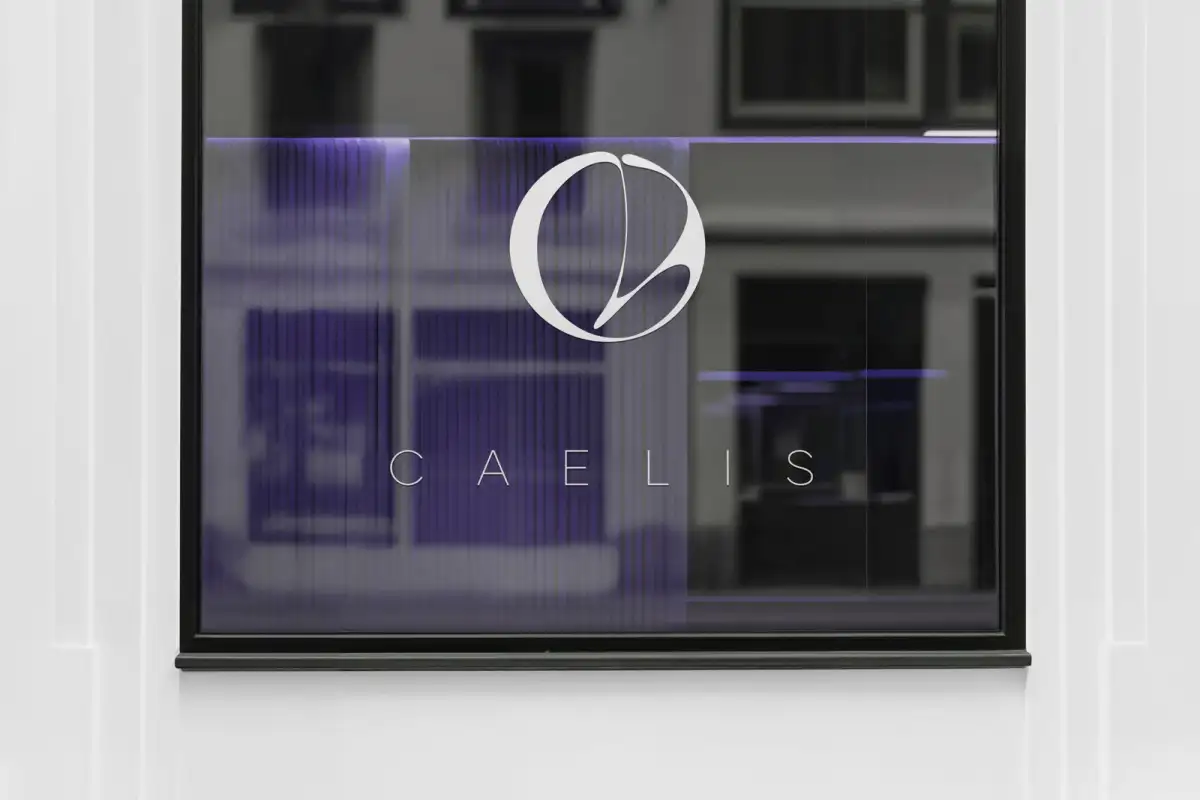
Caelis was chosen. From Latin caelum (heaven, ordered space). In early medical cosmology, caelum referred not just to sky but to structured logic from which rhythms, ratios, and remedies derived.

Why this name? Decision-makers in biotech, wellness, medical design measure value through structure, not sentiment. A name carrying conceptual weight signals: this clinic operates on systematic principles, not decorative aesthetics.

The name became architectural anchor for:

  • Clear protocol hierarchies
  • Language reinforcing treatment sequencing
  • Packaging functioning as procedural tools (not decoration)
  • Visual system communicating precision

From naming principle, entire brand infrastructure followed.


SOLUTION 2: WEBSITE CONTENT ARCHITECTURE FOR INFORMED PATIENTS

Website rebuilt as answer environment, not sales funnel.

Each page answered specific patient questions:

  • How does Rejuran activate collagen at cellular level? (Mechanism of action explanation)
  • What recovery timeline should I expect? (Phase-by-phase recovery documentation)
  • Which treatments integrate together? (Adjunct therapy sequencing logic)
  • What measurable outcomes occur at molecular level? (Clinical endpoint communication)

Tone shifted from lifestyle to medical confidence. Eliminated language like "enhance your glow," "reveal your best self." Adopted clinical terminology: collagen signaling, peptide nucleotide activation, endogenous regeneration.

Result: Patients arrived informed. Ready for protocol discussion. Consultation conversion improved through treatment literacy.


SOLUTION 3: VISUAL LANGUAGE—LABORATORY PRECISION OVER COSMETIC GLAMOUR

Every visual element communicated scientific positioning.

Textures:

  • Before: Polished, minimalist cosmetic aesthetic
  • After: Frosted glass, skin under microscope, diffused light (laboratory integrity)

Color Palette:

  • Before: Typical cosmetic brand colors
  • After: Surgical steel, pale lavender, white smoke, mineral neutrals (derived from post-treatment skin tones and surgical environments)

Typography:

  • Before: Commercial, energetic
  • After: Breathing space, quiet serif + mono combinations (procedural calm)

Photography:

  • Before: Before/after beauty transformation
  • After: Silhouettes, suspended gestures, soft biological surfaces (protocol precision, not cosmetic glamour)

Core message encoded in every visual decision: This clinic operates as regenerative system with operational logic, not beauty service.


SOLUTION 4: PACKAGING AS PROCEDURAL SYSTEM

Packaging transcended decoration. Every container communicated treatment hierarchy and sequencing logic. Visual system reinforced: CAELIS is regenerative system with clear operational architecture.

Boxes, bottles, containers designed to reinforce protocol structure, not just hold products.


SOLUTION 5: INTERNATIONAL MARKET POSITIONING

One brand architecture. Multiple geographic strategies.

Positioning varied by market and patient decision-making psychology:

Singapore:

  • Target: Longevity-aware wellness consumers, protocol-oriented expats, biotech-savvy clientele
  • Message: Evidence-based innovation, molecular outcomes, cellular mechanism communication
  • Decision drivers: Scientific credibility, measurable cellular results

Dubai:

  • Target: Clinic investors, wellness hotel groups, aesthetic decision-makers
  • Message: Exclusivity, evidence-based innovation, premium clinical infrastructure
  • Decision drivers: Investment credentials, high-net-worth clientele focus

Greece (Athens/Mykonos):

  • Target: Niche seasonal clientele, medical tourism patients
  • Message: Regenerative beauty linked to cellular health
  • Decision drivers: Medical tourism credibility, wellness integration

North America (New York, Los Angeles):

  • Target: Luxury biohacking early adopters, wellness venture investors
  • Message: Cutting-edge regenerative protocols outside traditional medicine
  • Decision drivers: Innovation leadership, protocol sophistication

RESULTS: BRAND REPOSITIONING IMPACT

Measurable outcomes from strategic repositioning:

  1. Design system scalability: Unified visual and verbal architecture deployed across injectables, supplements, skincare product lines
  2. Consultation conversion: Content clarity increased patient comprehension. Reduced decision friction in pre-consultation phase.
  3. Brand equity shift: Value repositioned from aesthetic trends to scientific credibility and protocol continuity
  4. International market entry: Unified positioning enabled clean expansion across 4 distinct geographic markets with differentiated messaging
  5. Lead quality improvement: Strategic positioning attracted protocol-oriented, high-net-worth decision-makers instead of price-sensitive consumers

FAQ: REGENERATIVE CLINIC REPOSITIONING FOR INTERNATIONAL GROWTH


Q: When should a clinic rebrand after introducing regenerative treatments?

A: Rebrand when brand messaging conflicts with clinical evolution. If patients research cellular mechanisms (exosomes, collagen signaling) but find aesthetic messaging, that's disalignment. When Rejuran entered protocol, existing cosmetic brand became obsolete. Rebrand when clinical scope outpaces messaging speed.


Q: How do you structure website content to convert informed patients evaluating regenerative treatments?

A: Build website as answer environment, not sales funnel. Each page answers specific questions: How does treatment activate collagen? What recovery phases? Which treatments sequence together? Informed patients convert faster when arriving ready for protocol discussion, not service comparison.


Q: What messaging attracts protocol-oriented, biotech-savvy patients?

A: Communicate structure, not emotion. Reference treatment sequencing, cellular mechanisms, recovery phases, therapy integration logic, molecular outcomes. Avoid lifestyle language ("enhance glow"). Protocol-oriented patients evaluate clinics on scientific reasoning and structural thinking.


Q: Why do clinics fail when introducing regenerative treatments without rebranding?

A: Brand misalignment creates patient friction. Clinic's new treatments (regenerative) don't match old messaging (cosmetic). Informed patients experience cognitive dissonance. Consultation conversion drops. High-net-worth, protocol-oriented individuals choose competing clinics. Lead quality declines. New treatments can't succeed under old brand architecture.


Q: How do you position a regenerative clinic for international markets?

A: One brand identity, multiple geographic messaging strategies. Singapore emphasizes evidence-based innovation for biotech consumers. Dubai emphasizes exclusivity for clinic investors. Greece emphasizes medical tourism. North America emphasizes luxury biohacking. Same brand, different positioning per market psychology.


Q: What visual language communicates regenerative medicine positioning?

A: Align visuals to laboratory precision, not cosmetic glamour. Use textures suggesting scientific integrity (frosted glass, diffused light). Select colors referencing surgical environments and post-treatment skin tones. Design typography with breathing space. Choose photography showing procedure precision. Every element communicates: "scientific system, not beauty service."


Q: How does naming strategy support regenerative clinic positioning?

A: Name selection is structural reorientation point. Select names carrying conceptual weight for biotech decision-makers. Caelis (Latin caelum = ordered space, upper logic) communicated shift from aesthetic service to regenerative system. Name provided foundation for protocol sequencing, treatment hierarchy communication, packaging as procedural tools. Naming transcends decoration—it's complete brand restructuring entry point.


Q: Should clinic rebranding prioritize content architecture or visual redesign?

A: Always prioritize content architecture when targeting informed patients. Visual refresh communicates positioning change. But content architecture determines whether patients understand treatment mechanisms, recovery sequencing, therapy integration. Website content structure determines consultation conversion more than logo redesign. Informed patients research deeply, your answer environment determines their decision.


Q: Why should clinic investors consider repositioning before international expansion?

A: International expansion requires formalized brand architecture. High-net-worth patients across Singapore, Dubai, Greece, North America don't evaluate clinics on local word-of-mouth. They research scientific credibility, protocol sophistication, treatment sequencing. Strong brand architecture communicates all this immediately—improving lead conversion and enabling premium positioning across geographies.