
BLOG
How the Folding Chair Changed Modern Retail and Inspired the Shopping Cart
The simple invention that reshaped supermarkets, shopping habits, and consumer behavior.

The Shopping Cart and the Architecture of American Consumption
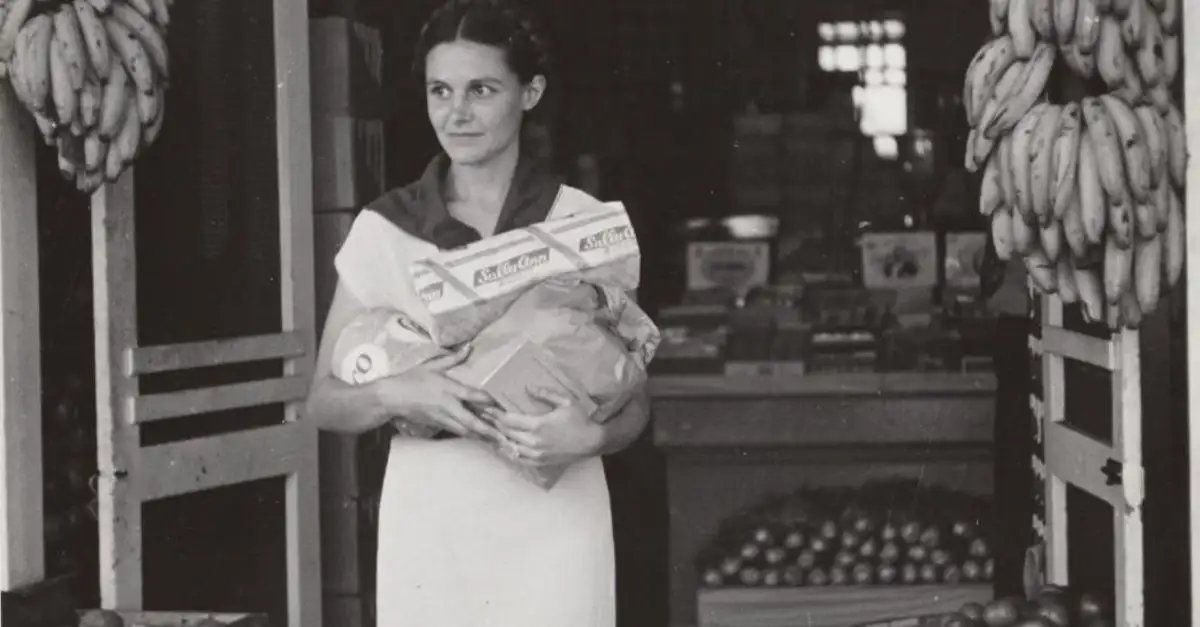
The United States of the 1930s was a nation shaped by crisis and reinvention. The Great Depression devastated household budgets, while a new culture of self-service retail emerged quietly. Supermarkets such as King Kullen in New York and regional chains across the Midwest were experimenting with larger spaces, broader assortments, and standardized prices. Advertising expanded in reach through radio and national magazines, yet inside the stores the mechanics of consumption remained restricted. Shoppers carried small wire baskets; the scale of a purchase was measured in what two arms could bear.
The Problem
American grocery stores in the early 1930s organized shopping around small hand-carried baskets. Capacity defined behavior: arms filled, attention shortened, and browsing slowed. And sales followed the same curve.
This structural limitation reflected an earlier stage of retail design, where the store was still conceived as a compact space for frequent, modest purchases. In practice, it curtailed the ambitions of supermarket operators who envisioned higher turnover and greater margins through volume. Sylvan Nathan Goldman, owner of the Humpty Dumpty chain in Oklahoma, studied this bottleneck with the pragmatism of a merchant. He understood that the growth of self-service formats required an instrument that could extend both the reach and duration of each visit.
Mr Goldman with an instinct for detail, studied this rhythm with the eye of an operator and He saw a structural ceiling inside the store: a limit that set the rhythm of commerce, a limit set by weight, grip, and fatigue.
The idea
Every full basket meant the end of a visit plus a missed opportunity for the store.
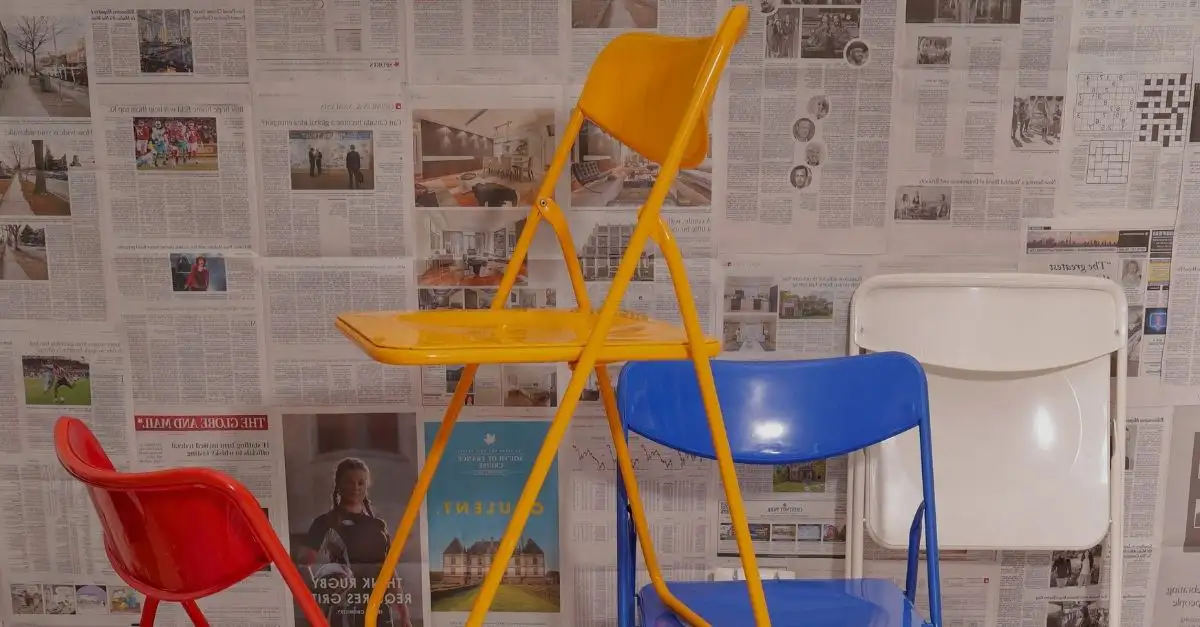
Goldman’s response starts as a prototype, conceived in 1937, observing the familiar folding chair and reconfiguring its geometry, with wheels and a basket.
It multiplied capacity, allowed the shopper to move freely, and created conditions for longer exposure to merchandise. The device entered the supermarket at a moment when American retail was already shifting from a model of rationed scarcity to one of orchestrated abundance, where architecture, advertising, and logistics converged to stimulate desire and facilitate mass purchasing.
The resistance
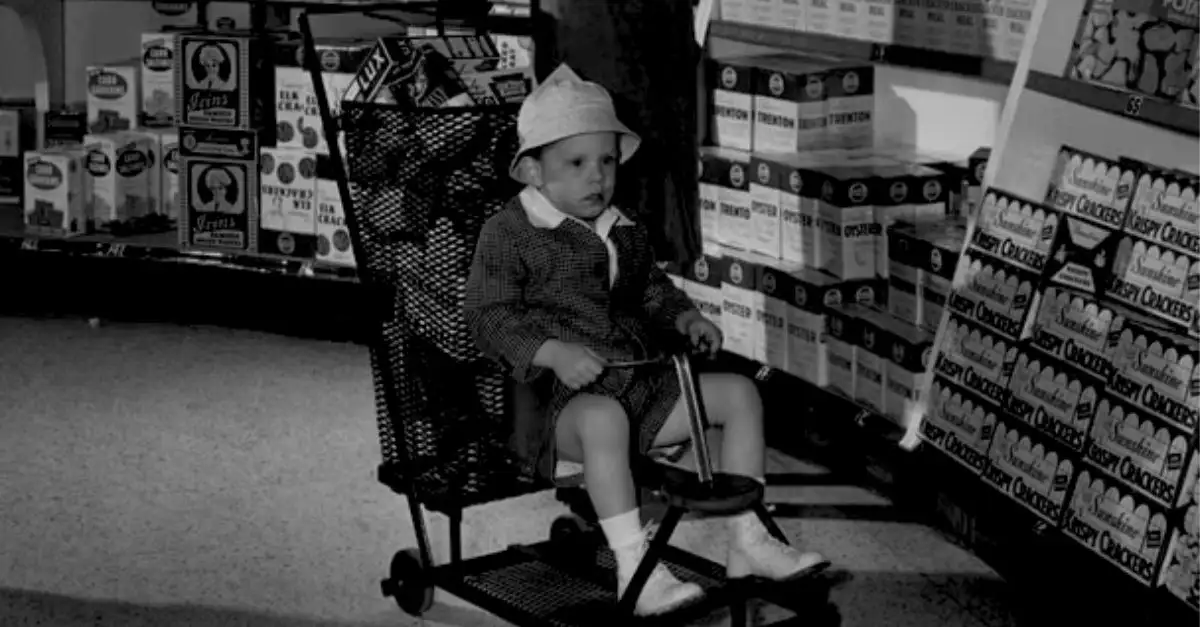
The cart’s arrival, however, intersected with cultural codes that complicated its acceptance. In the gendered imagination of the period, men resisted association with prams and domestic tools, while women hesitated to adopt an object that recalled childcare equipment. Goldman responded with a calculated form of persuasion. Demonstrators employed inside the stores enacted the correct use of the cart, normalizing it through repetition and visibility. In an era when advertising and staged performance shaped consumer culture, from radio jingles to department-store displays, the act of shopping itself became a theater where new behaviors were rehearsed and absorbed.
The impact
The economic impact was immediate. Larger capacity increased the average basket value, while longer circulation inside the store supported a more profitable deployment of floor space. Supermarkets widened aisles, adjusted shelf heights, and redesigned checkout counters to process the new flow of goods. Weekly provisioning became an attainable routine for urban and suburban households, aligning with the rise of the automobile and the refrigerator. The cart was a new element in the choreography of modern consumption.

A short historical timeline
-Early 1930s: hand-carried baskets set the practical limit for grocery trips in the United States.
-1937: Goldman introduces a wheeled, folding-chair-style carrier inside his Oklahoma stores and forms a company to produce it at scale.
-Late 1930s–1940s: store greeters and staged demonstrations normalize use; self-service formats spread; store layouts adapt to rolling traffic.
-Mid-century: the cart becomes a retail default and a template for large-format grocery, then for big-box and warehouse models.
From a strategic perspective, the shopping cart demonstrates that retail innovation grows from the analysis of systemic constraints and the design of pragmatic solutions.
By extending human capacity, Goldman redefined the tempo of shopping and sustained a model of commerce that would dominate the twentieth century. The cart allowed supermarkets to fulfill their promise of abundance, linking architecture, advertising, and consumer psychology in a single gesture. It remains, to this day, one of the most enduring artifacts of modern retail, its presence so naturalized that it has become invisible, yet its influence continues to structure the global economy of food and household goods.
Reading the cart today
The history of Goldman’s device also anticipates a larger truth about design. Every enduring innovation builds both on novelty and on alignment between human effort and system flow.
Digital commerce still relies on the same sequence. A customer explores, collects, reviews, and pays. The interface that guides this journey performs the same duty as Goldman’s frame on wheels: to conserve effort, keep attention in motion, and expand the set of viable choices. Every improvement that lightens the journey, clearer information, graceful navigation, smart grouping, helpful prompts at the right moment, functions as a contemporary cart. The medium changes; the principle endures.
From the folding chair to the shopping cart, history shows that even small, everyday gestures can redefine markets. At WØM Studio, we help brands spot these opportunities and innovate across customer experience, digital systems, branding, and distribution.